Search Results

Events

May 26 by Cure Kids in

This is an example page. It’s different from a blog post because it will stay in one place and will show up in your site navigation (in most themes). Most people start with an About page that introduces them to potential site visitors. It might say something like this:

Hi there! I’m a bike messenger by day, aspiring actor by night, and this is my blog. I live in Los Angeles, have a great dog named Jack, and I like piña coladas. (And gettin’ caught in the rain.)

…or something like this:

The XYZ Doohickey Company was founded in 1971, and has been providing quality doohickies to the public ever since. Located in Gotham City, XYZ employs over 2,000 people and does all kinds of awesome things for the Gotham community.

As a new WordPress user, you should go to your dashboard to delete this page and create new pages for your content. Have fun!

Who We Are

May 30 by Cure Kids in

At Cure Kids, our purpose is simple. Every single day, we’re driven to find cures for the life-threatening illnesses that affect many of our children.

How do we do it? We focus on raising funds so that vital medical research can continue till our researchers find the cures our kids need. Put simply: we fund the cures, they find the cures.

Approximately one child in 30 is affected by a genetic malformation; that’s an average of roughly one in every classroom. We’re searching for cures for, among others, childhood leukaemia and other cancers, heart diseases, cystic fibrosis, Sudden Infant Death Syndrome, Type 1 diabetes and asthma. These conditions and diseases mean children miss out on a normal childhood, and have to learn far too early in life how to fight to survive.

Established by Rotary in 1975 as the Child Health Research Foundation, so far we’ve invested more than $29 million in research. We have achieved breakthroughs that have saved, improved and extended the lives of kids here and around the world. We’re proud of what we’ve achieved. But the work has only just begun.

“We’ve made huge progress, and have saved many, many lives. But there are still thousands of children living with life-threatening illnesses. We won’t rest until we find the cures for the illnesses that affect children and their families.”
Vicki Lee, Cure Kids CEO

A different set of numbers

29 Million

invested by Cure Kids into child health research since 1976.

Discovering cures could never be described as simple or swift, which is why we fund world-class senior research positions – Professorial Chairs – in perpetuity. We know that breakthroughs come through that magic combination of curiosity, ingenuity, hard work – and perseverance.

While there are many more years of work ahead, we have made some magnificent discoveries along the way. These discoveries have already made a substantial difference to the lives our children lead.

To read about our work in 2011, download our Annual Report.

the Cure Kids 2011 Annual Report

Find out more about our research. Read our Annual Report

It’s all about the CURE

FAQs

May 31 by Cure Kids in

What is Cure Kids?

Cure Kids, previously known as the Child Health Research Foundation, was founded by Rotary in New Zealand to address the lack of research into the life-threatening childhood diseases and conditions affecting New Zealand children and their families. In 1971, the Auckland District had its golden jubilee and this provided the initial funds for the first Professor of Child Health Research, David Lines. This was the precursor for what was always intended – a National Charity, which came into being in 1975.

Since then, we have invested over $29 million in medical research. Our New Zealand researchers work collaboratively with scientists and clinicians around the world to help find answers to the many life-threatening illnesses that impact the lives of young children. This research has helped save young lives and improved the quality of life for many more.

How is Cure Kids funded?

Cure Kids believes in the power of fundraising. We do this through a variety of annual fundraising activities that involve serious challenges, thereby attracting many companies to participate alongside our key partners and associates. Our events offer a unique team building experience, while helping companies engage their employees in social responsibility activities. Please see our events page for more information.

Our 14 Key Partners are committed to supporting Cure Kids financially and with staff participation in events. Other funding is raised through strategic investments made by Cure Kids along with the very kind financial support given by many charitable trusts and foundations, bequests and donations to Cure Kids.

Where does your money go?

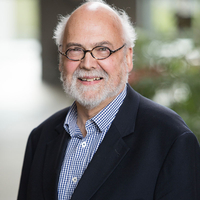
Hundreds of babies owe their lives to Cure Kids. The only way we can keep doing this is by funding research to find the cures that will save lives. Our fundraising is directed at outcome-driven research. To achieve the best outcomes possible, we support three Cure Kids Chairs of Child Health Research: (1) University of Auckland, Professor Ed Mitchell (Cot Death), (2) University of Otago, Dunedin, Professor Stephen Robertson (Genetics), and (3) University of Otago, Christchurch, Professor Brian Darlow. Examples of research they are working on and other collaborative research we support includes:
  • Preterm Babies in Adulthood – Professor Brian Darlow
    Twenty-two year follow-up of New Zealand very preterm babies born in 1986
  • Preterm Baby Brain Injury – Dr Mhoyra Fraser
    Intrauterine Infection and the Development of Brain Injury in the Preterm Baby
  • Preterm Baby – Oxygen Starvation – Professor Brian Darlow
    Predicting Brain Damage in Children with Acute Brain Injuries
  • Sleep Problems – Dr Gillian Nixon
    Sleep Problems in Middle Childhood- Risk Factors and Consequences
  • Stillbirth  -  Tomasina Stacey
    Seeking Stillbirth Solutions – The Auckland Stillbirth Study
  • Sudden Infant Death – Dr Alastair Smith
    (Links between Smoking during Pregnancy and Sudden Infant Death Syndrome)
  • Acute Brain Injury in Children -  Dr John Beca
    Predicting Brain Damage in Children with Acute Brain Injuries
  • Bone and Birth Abnormalities -  Professor Stephen Robertson
    Discovering Why Genetic Diseases Cause Malformations in Children
  • Painless Breath Tests: Childhood Cancer – Professor Stephen Chambers
    Breath Tests for Infection in Sick Children
  • Cystic Fibrosis – Professor Robert Williamson
    Cord Blood Stem Cell Therapy for Cystic Fibrosis
  • Obesity and its impact on Young New Zealanders – Professor Ed Mitchell
  • Identifying Risk Factors – Professor Barry Taylor
    The FLAME Study (Family, Lifestyle, Activity, Movement, and Eating)
  • Preterm Babies in Adulthood – Professor Brian Darlow
    Twenty-two year follow-up of New Zealand very preterm babies born in 1986
  • Preterm Baby Brain Injury – Dr Mhoyra Fraser
    Intrauterine Infection and the Development of Brain Injury in the Preterm Baby
  • Preterm Baby – Oxygen Starvation – Professor Brian Darlow
    Predicting Brain Damage in Children with Acute Brain Injuries
  • Sleep Problems – Dr Gillian Nixon
    Sleep Problems in Middle Childhood- Risk Factors and Consequences
  • Stillbirth  -  Tomasina Stacey
    Seeking Stillbirth Solutions – The Auckland Stillbirth Study
  • Sudden Infant Death – Dr Alastair Smith
    Links between Smoking during Pregnancy and Sudden Infant Death Syndrome

What successes have you had?

We have helped fund world first breakthroughs in the following:

  • Stillbirth
    There are over 200 late stillbirths (after 28 weeks gestation) every year in New Zealand. Cure Kids-funded research on stillbirth has provided strong evidence that late stillbirths are related to maternal sleep practices. Excitingly, if this work is confirmed by other studies then this has the potential to reduce stillbirths by over a third.
  • Cot Death preventative strategies that are life-saving
    In the late 1980s there were around 250 deaths a year caused by cot death (SIDS). With simple preventative strategies developed by Child Health Professor Ed Mitchell, there has been a dramatic reduction to around 65 cot deaths a year in New Zealand.
  • Childhood Leukaemia
    Funded a breakthrough by Associate Professor Ian Morison and his team which shows a genetic change that takes place sometime between conception and birth, and leads to some children developing Leukaemia.
  • World-first programme to test DNA from young victims of sudden unexplained death for Long QT Syndrome.
    Long QT is the most common cause of this devastating event.  Once found in the deceased, long QT can be identified in approximately 50% of surviving family members so they can take life-preserving medical preventions.
  • World-first breakthroughs into genetic research.
    Cure Kids Professor Stephen Robertson has discovered two gene mutations that are related to one another and are responsible for severe bone malformations in babies. His most recent breakthrough is the discovery of a genetic link between a rare bone formation disorder and a form of childhood kidney cancer “Wilms Tumour” which has significant implications for understanding the role of genetics in the development of cancer. Recent work has included characterizing the cause of several different genetic syndromes that cause malformation of the brain and components of the skeleton. In addition to helping families with these rare conditions, discovering the identity of these responsible genes gives new insights into the formation of these tissues and their role in more common conditions affecting children.
  • Asthma.
    Cure Kids is funding research for a cool device that reminds children to take their asthma medication. Preliminary results have shown that compliance has increased from around 40% to 70%. Cure Kids is now fundraising a larger study to see if this results in an improvement in the health of children who suffer from severe asthma. This device has recently received FDA (US regulatory) approval for trial.

Other childhood diseases we have funded research into include:

  • Liver Disease
  • Placental cord Blood Banking
  • Respiratory Illnesses
  • Rheumatic Heart Disease
  • Spina Bifida
  • Childhood Diabetes
  • Treatment for Hole-in-the-Heart blue babies

How many children have you helped?

Many thousands of Kiwi kids have benefited from the research outcomes we have funded. To keep providing cures for children in New Zealand – which many children around the world can benefit from – we continue to grow collaborative research partnerships locally and globally.

What is your total income?

Cure Kids is always striving to increase our income and one of our key strategic goals is to grow our gross revenue from $5.9m in 2011 (latest audited figures) to $10m by 2014.

What percentage of Cure Kids income goes into administration?

In 2011 the percentage of administration costs of total revenue was 11.9% this was achieved by Cure Kids running an effective and efficient charity and working hard on managing its administration costs.

How much of your fundraising dollars go to the cause?

Our reason for being is to raise funds to enable funding for child health medical research. With this in mind Cure Kids operates a prudent fiscal policy which has resulted in the accumulation of capital funds. These funds are to ensure we can:

  • Sustain our aim to be a long term charity – supporting our children’s, children’s, grandchildren
  • Maintain and grow our granting rounds through the years
  • Support granting opportunities that may arise from time to time
  • Provide funding in perpetuity for our three current Cure Kids Chairs of Child Health Research
  • Set up more Child Health Research Chairs in the future

In 2011 $2,8m was raised through public fundraising.  In 2011 we invested $3.1m with our Professors and individual research grants and programmes we also retained $1.3m for our future grants and reserves, making a total $4.4m invested.

Do you receive any money from Government?

Cure Kids does not receive any government funding at present.

Who regulates you?

We are currently governed by seven board members and report under the Financial Reporting Act 2005. We are audited by Ernst & Young.

What do you do in the USA?

We established Cure Kids USA as an independent entity so that we could access philanthropic and research funds in the US for the benefit of joint venture research between the two countries.

What do you do in Fiji?

We established Cure Kids Fiji because one of our key partners Accor Group, whom has a strong presence there, wanted to fundraise and make a contribution to the health of children in Fiji.We provide medical equipment for The Children’s Ward, Neonatal Intensive Care Unit and Paediatric Intensive Care Unit at Lautoka Hospital as well as the Nadi Children’s Ward at Maternity Ward. We continue to fund ongoing Rheumatic Heart Disease Control and Prevention programmes in Fiji.
What do you do in Australia?

We established Cure Kids Australia in late 2010 and are going to be looking at developing opportunities with our Trans-Tasman partners. In the meantime Pumpkin Patch will look to run the Add a Dollar campaign in Australia, New Zealand, and the USA.
What are your Registered Charity details?

Our Charity Registration number is: CC25350. For further details, please access the Charities Commission website.Our Cure Kids incorporation number is AK 212064.
Download our 2011 Annual Report.
Page 1 of 2812345...1020...Last »