


Childhood Cancers
Providing hope for little kids with the big C

Why is it a problem?
Why is it a problem?
How can cancer develop?
Our bodies are made of millions of tiny building blocks called cells which divide and multiply throughout our
life, each type of cell has a special function.
- Sometimes things can go wrong in a cell’s DNA which tells the cell to grow, divide and multiply uncontrolled .
- Most childhood cancers are not inherited.
Treating children and young people with cancer
The aim of treatment for most childhood cancers is cure – treatment may include chemotherapy, surgery, radiotherapy and sometimes immunotherapy and bone marrow transplantation.
There are two treatment centres for childhood cancers in Aotearoa: Starship’s Blood and Cancer Centre in Auckland (which treated 75% of Kiwi kids diagnosed with cancer in 2019), and the Children’s Haematology Oncology Centre in Christchurch (which treated the other 25%).
What are the most common types of childhood cancer?
Cancer is not one disease, but dozens of different diseases, each with their own behaviour, response to treatment and outcome. The most common types of childhood cancer are:
- leukaemias (cancer of the white blood cells)
- brain tumours (glioma and medulloblastoma)
- lymphomas (cancer of the lymphatic system)
- neuroblastoma (cancer of the nerve cells)
- soft tissue sarcomas (a rare type of cancerous tumour)
- bone cancers (osteosarcoma, Ewing’s sarcoma)
- renal.
Did you know?
Since 1971 Cure Kids has funded over NZD $4.5m in child cancer research!
WHAT ARE WE DOING TO HELP?
Here are just some of the research projects we have funded to help New Zealand kids with cancer.
A ‘game changing’ approach to treat an aggressive and incurable form of brain cancer
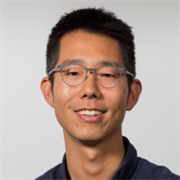
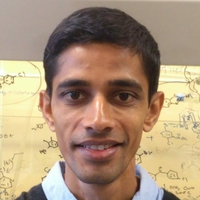
Dr Jiney Jose and Dr Peter Choi, University of Auckland
High-grade glioma (a type of tumour) can affect children of all ages and occurs equally in girls and boys. Treatment is intensive – generally involving a combination of surgery, radiotherapy, and chemotherapy.
Building on previous research showing that a particular class of ‘dyes’ can cross the blood-brain barrier and gather in tumour tissues, what Dr Jose and Dr Choi found is promising. “When we chemically attached an anti-cancer drug to these dyes,” says Dr Jose, “the resulting ‘drug-dye conjugate’ can cross the blood-brain barrier, and accumulate in tumour tissues in the brain.”
“We envision that the proposed research, if successful, can significantly improve survival outcomes for patients suffering from paediatric high-grade glioma,” says Dr Jose.
Precision paediatric cancer project
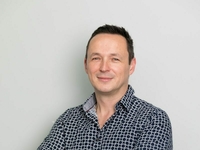
Dr Andy Wood, University of Auckland
Paediatric haematologist-oncologist Dr Andy Wood, from the University of Auckland, is leading The Precision Paediatric Cancer Project (PPCP) – a New Zealand first of its kind.
This clinical trial – jointly funded by Child Cancer Foundation and Cure Kids – seeks to use a new diagnostic test called Next-Generation Sequencing (NGS) to identify the genetic mutations causing cancer in the children who participate in the trial. If specific mutations are identified, this information will be used to treat the child’s cancer in the most targeted way possible.
Investigating better ways to treat acute myeloid leukaemia
Dr Andy Wood, University of Auckland
Dr Wood and his team are creating models of acute myeloid leukaemia to study mutations seen in patients. These new models of leukaemia in cells, zebrafish and mice will help to increase understanding of the pathology of acute myeloid leukaemia and hopefully find new drug targets. This research will hopefully lead to the development of preclinical drugs and, eventually, safer and more gentle treatments for the kids and families burdened with cancer.
This research has the potential to lead to the development of preclinical drugs and, eventually, safer and more gentle treatments for the kids and families burdened with cancer.
Developing a new treatment for children with brain cancer
Dr Lisa Pilkington and Professor David Barker, University of Auckland
Cancers of the central nervous system (brain and spinal cord) are the most common form of solid tumour in New Zealand children, and the greatest contributors to cancer-related deaths. Children with Glioblastoma multiforme (GBM) – the most aggressive type of brain tumour – survive on average less than 2 years after diagnosis.
There is no cure and current treatments have limited efficacy, creating an extreme need for new therapeutics. The treatment regimen used in adults is not effective for children.
The growth of Glioblastoma multiforme cancer cells has been linked to a protein called Bcl-2. Bcl-2 is overexpressed in children who have Glioblastoma multiforme. The protein has been linked to tumour recurrence and poor prognosis.
The Solution…
These researchers from Auckland University have identified a compound that binds to Bcl-2, can cross the blood-brain barrier, and can kill adult cancer cells. The aim of this project is to develop a new treatment based on this Bcl-2 inhibitor, for children who have Glioblastoma multiforme.
The researchers plan to generate derivatives of this compound which can be targeted to cancer cells in the brain. The treatment could be used alone or together with other medications, to offer a treatment option for children with devastating forms of brain cancer.

Lucca was diagnosed with an extremely rare and highly aggressive cancer called Epethelioid Inflammatory Myofibroblastic Sarcoma when she was just 16 months old.
At the time here were only nine other cases reported worldwide. Traditional chemotherapy had not proved effective in treating these cases and the outlook for Lucca looked bleak.
However, after life-saving surgery which removed 95% of Lucca’s tumour and a month stay in Starship hospital, Lucca's family were introduced to Dr. Andy Wood, a world-leading research oncologist that would save her life. Dr. Wood leads The Precision Paediatric Cancer Project PPCP, which aims to advance the standard of care in New Zealand by finding highly targeted treatment options for children with cancer – for whom standard treatments have failed.
Lucca was given a new groundbreaking treatment that targeted the remaining parts of her tumour and kept the highly aggressive cancer at bay. After three more years of treatment, surgeries and uncertainties, Lucca continued to beat the odds and began to thrive.
Lucca is now grown up and a happy girl that loves learning, playing with her friends, dancing, netball, her little brother Harrison and is learning to surf.

Help fund researchers like Andrew.
Every cent helps, no matter how small.
Big Research
We are currently supporting over $16 million of child health research projects.
Learn more
-
Preterm Health
4 Active projects$464.8K -
Childhood Cancers
2 Active projects$3.2M -
Maternal and Infant Conditions
8 Active projects$751.4K -
Rheumatic Heart Disease
6 Active projects$2.8M -
Childhood Development & Sensory Studies
1 Active project$228K -
Neurological and Neurodevelopmental Disorders
3 Active projects$749.2K -
Endocrinology, Metabolism & Nutrition
2 Active projects$125K -
Mental Health and Wellbeing
9 Active projects$1.2M -
Oral and Dental Disease
2 Active projects$151K -
Genetic Conditions and Rare Disorders
3 Active projects$801K -
Respiratory Conditions
5 Active projects$862.6K -
Infectious Disease
2 Active projects$219.7K -
Gastrointestinal Conditions
1 Active project$600K


