


Genetic Conditions and Rare Disorders
Unlocking the mysteries of our unique human code

Why is it a problem?
Why is it a problem?
First things first – what exactly are genes?
Every human body is made of billions of cells – the very small units that make up all living things (so small you can only see them with a very strong microscope). Genes contain the information that controls how you grow, develop and function. And they determine most of your physical characteristics, including your gender, blood type, eye colour and height. Many health conditions and diseases are also carried in our genes.
What is a genetic condition?
A genetic condition typically occurs when you inherit an altered gene from your parents that increases your risk of developing that particular condition
Are all genetic conditions inherited?
No, some genetic changes occur randomly before you are born – so not all genetic conditions are passed down from your parents. Environmental or social factors can also cause or contribute to a genetic condition, e.g. being exposed to certain chemicals or radiation.
The New Zealand situation
The most common life threatening genetic condition affecting New Zealand children is Cystic Fibrosis (CF) – a genetically inherited condition (some people are born with it) mainly affecting the lungs and digestive system.
Why research matters?
27% of unexplained deaths in young people result from a previously undiagnosed genetic condition. And this knowledge is critical to other family members who may have the same condition.
Did you know?
In a survey by Rare Disorders New Zealand, 23% of children with rare disorders were absent from school for more than 30 days in a year.
What are we doing to help?
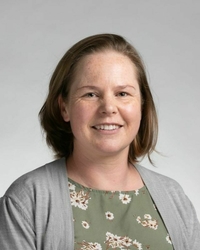
Recently, Dr Nadia Mitchell and her team have been studying gene therapy in sheep with the naturally occurring CLN5 form of Batten disease (a terrible neurodegenerative disorder). Their successful studies have led to the first in-human clinical trials (globally) for a gene therapy to fight CLN5 Batten disease.
And Dr Jennifer Hollywood and her team have been seeking a better treatment option for kids with cystinosis – a rare genetic disorder only treatable via a medication that is difficult to take and has significant side effects.
And here are some of the current research projects we are funding to help progress scientific discovery – and improve, extend, and save the lives of Kiwi kids living with genetic conditions.
Genomic medicine for whānau: developing a precise genetic test to save lives (and a world-first discovery)
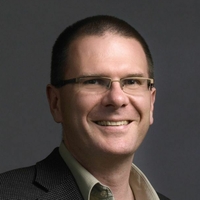
Professor Stephen Robertson, University of Otago
BMedSc, MB, ChB(Otago), FRACP, DPhil(Oxon)
Genomic medicine in New Zealand is advancing rapidly, and this research by Professor Stephen Robertson and his team aims to:
- strengthen Māori-focused genomic resources,
- enhance diagnostic technologies, and
- link genetic insights with nationwide data to better understand health, educational, and social outcomes.
His research team have established a strong national collaboration (coordinated through Starship Hospital) to enrol all children diagnosed with biliary atresia (a liver disease in infants) into this research programme.
Also, they are collaborating closely with scientists at the University of California who have developed the ability to sequence human genomes to the highest quality (and completeness) ever achieved worldwide.
The research team has already sequenced the genomes (i.e. determined the order of the building blocks of a child’s entire DNA or RNA) of 40 children with biliary atresia and their families. The next aim is to sequence the genomes of 10 key affected children using the gold standard level developed with their peers in California.
By identifying the genetic elements that work together to cause this condition, the researchers also hope to develop a test to identify it in newborns.
Ultimately, using genetic screening for these factors will result in earlier diagnosis of this terrible condition and higher survival rates. In his own words, Professor Stephen Roberston says:
“Developing a precise genetic test to improve the speed of diagnosis would save children’s lives and be a world-first breakthrough in the care of children with this condition."
Trialling a treatment for Duchenne muscular dystrophy
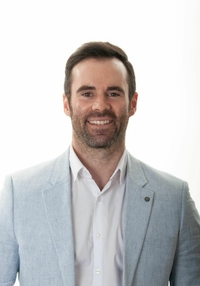
Dr Angus Lindsay, University of Canterbury
BSc, MSc, PhD
Muscular dystrophies are a group of genetic disorders that cause the wasting of skeletal muscles – the muscles that connect to bones and allow a wide range of movements and functions. Duchenne muscular dystrophy (DMD) is the most prevalent of these disorders with 20,000 young boys diagnosed globally each year.
DMD primarily affects boys and leads to pre-teen loss of muscle and mobility, and premature death. Low levels of tetrahydrobiopterin (BH4), an antioxidant and important factor involved in blood flow, are found in children with DMD.
Previous research suggests that short-term supplementation of mice (who have DMD) with BH4 may improve the health of skeletal muscle. This research project is exploring the long-term use of a clinically approved form of BH4 to assess its potential to alleviate muscle wasting and premature death in DMD.
The hope is that this treatment, which is already approved for other BH4-deficiency diseases, can be repurposed to reduce muscle wasting and improve the quality of life for boys with DMD.

Mela was born on the 18th of August 2009. After an uncomplicated pregnancy and labour, Mela’s parents were surprised to realise their baby was struggling for breath. Mela was quickly taken to the SCBU where she was diagnosed with an incredibly rare condition called Moebius syndrome.
Moebius syndrome is a rare neurological condition that primarily affects the muscles that control facial expression and eye movement. This meant that Mela’s face was paralysed and that her eating and breathing were affected.
Mela’s mum recalls, “We pretty much moved into Starship when Mela was about 4 weeks old. She had a tracheostomy placed and a mic-key button to help with breathing and eating. We had MANY close calls, intensive care stays and ambulance rides as the amazing teams at Starship fought to keep her alive.
“Mela’s first year was definitely the hardest. We didn’t know what we were in for and what the end result would be. It was incredibly heart breaking but devastating to watch your child have multiple operations and procedures to just try to stabilise her.”
A resilient and courageous child, Mela didn’t give up a fight. She started to gain weight and thrive, and is now doing amazingly well. In 2018, Mela went ahead with a very specialised surgery to give her a ‘smile’. This involved taking a large muscle out of her leg and implanting it in her face.
Mela has a little sister called Boe who she is very close to. Their family live each moment to the full.
“As a family, we have truly learnt what is important in life and what really matters. Life is short. Live each moment. Go on the holidays, drink the champagne. The special occasion is being here today,” says Mela’s Mum.
3 Active Genetic Conditions and Rare Disorders projects
-
Professor S. RobertsonGenomic Medicine for WhānauAwarded $600,000Genetic Conditions and Rare Disorders
-
Dr A. LindsayTrialling a treatment for Duchenne muscular dystrophyAwarded $119,932Genetic Conditions and Rare Disorders
-
Dr N. MitchellHelping the development of gene therapy for all forms of Batten diseaseAwarded $81,080Genetic Conditions and Rare Disorders
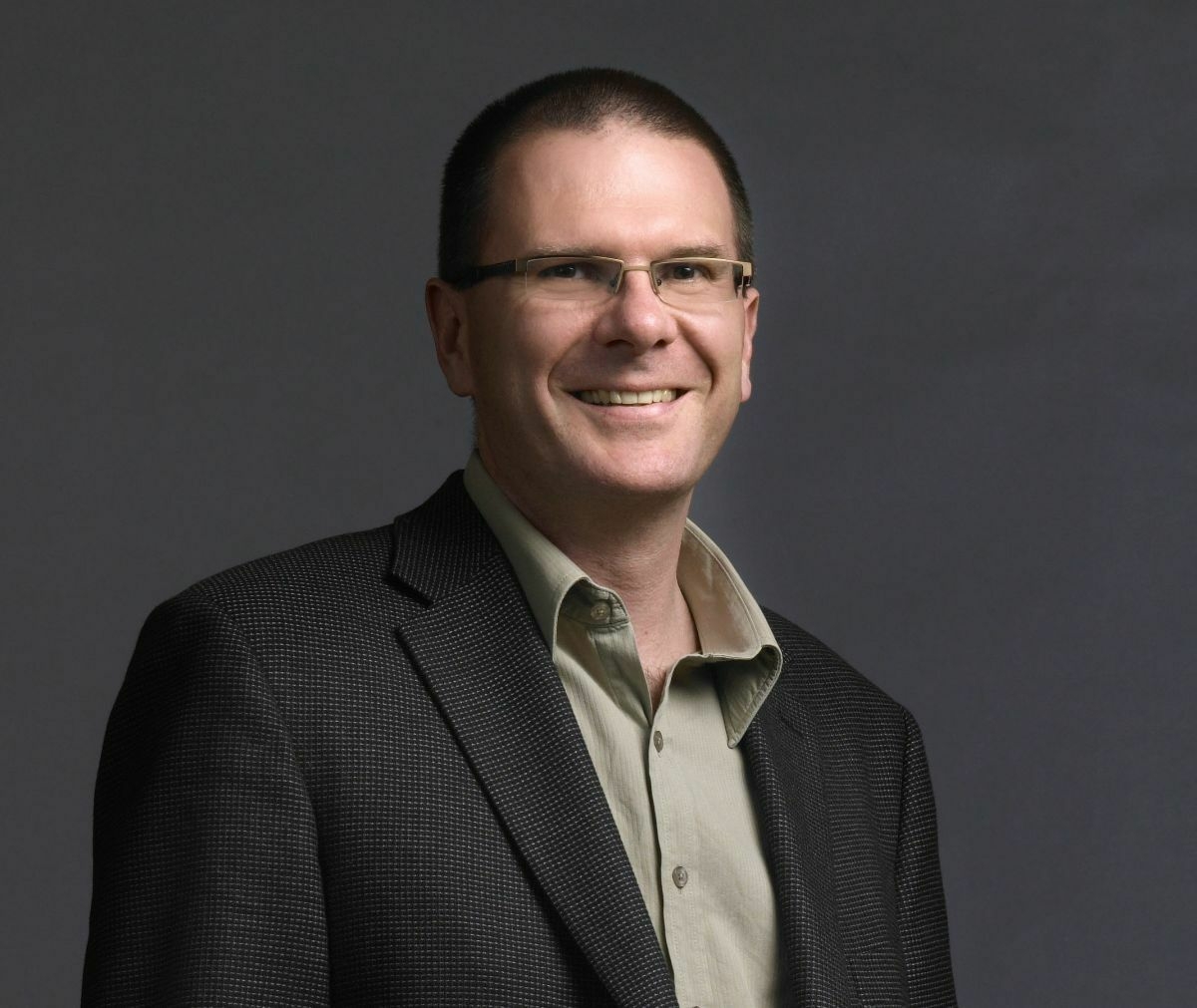
Help fund researchers like Stephen.
Every cent helps, no matter how small.
Big Research
We are currently supporting over $16 million of child health research projects.
Learn more
-
Preterm Health
4 Active projects$464.8K -
Childhood Cancers
2 Active projects$3.2M -
Maternal and Infant Conditions
8 Active projects$751.4K -
Rheumatic Heart Disease
6 Active projects$2.8M -
Childhood Development & Sensory Studies
1 Active project$228K -
Neurological and Neurodevelopmental Disorders
3 Active projects$749.2K -
Endocrinology, Metabolism & Nutrition
2 Active projects$125K -
Mental Health and Wellbeing
9 Active projects$1.2M -
Oral and Dental Disease
2 Active projects$151K -
Genetic Conditions and Rare Disorders
3 Active projects$801K -
Respiratory Conditions
5 Active projects$862.6K -
Infectious Disease
2 Active projects$219.7K -
Gastrointestinal Conditions
1 Active project$600K


