


Mental Health and Wellbeing
What lies behind young Kiwi minds?

Why is it a problem?
Why is it a problem?
What is mental health?
Broadly speaking, mental health is your emotional, psychological, and social wellbeing. And a mental health condition can occur when ongoing symptoms cause frequent distress and affect your ability to function.
Is good mental health being ‘happy all the time’?
Not necessarily. Everyone has good days and bad days. And sometimes life can throw surprises and problems at us that are difficult to deal with. But good mental health is generally regarded as:
• feeling positive about ourselves and others most of the time,
• being able to form good relationships,
• having the resilience to overcome challenges.
Mental health and young people
There are about 800,000 young people (aged between 12 and 24) in New Zealand – and having healthy and happy young people will ensure a healthier society for New Zealand, both now and in the future.
How does ‘poor mental health’ happen?
Why have youth mental health rates risen so quickly in Aotearoa New Zealand? The research suggests that the answers are many and varied – and there is no easy answer or quick fix. Here are ten common contributing factors:
• alcohol and/or drug misuse or abuse
• physical or sexual abuse; bullying or domestic violence; early life trauma
• social isolation/loneliness
• discrimination/racism
• poverty or social deprivation; unemployment or job loss
• expectations created by social media and technology
• educational structures
• poor physical health
• pressure/stress
• changing parenting, family and social contexts
Did you know?
There are rising rates of youth depression in New Zealand, with mental morbidity rates (physical and psychological deterioration) more than doubling over the last two decades, for both males and females.
WHAT ARE WE DOING TO HELP?
Here are just some of the projects we are funding to help address New Zealand’s troubling youth mental health statistics:
Examining Mortality After Brain Injury: Estimating the Risk of Suicide
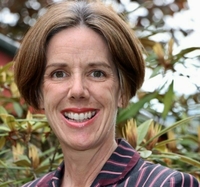
Dr Rebecca Slykerman – University of Auckland
This study asks a critical question: does moderate to severe brain injury in childhood increase the risk of suicide later in life?
With more than 74,000 young people in Aotearoa living with significant brain injury and suicide rates disproportionately affecting whānau Māori and youth, this research will use whole population data to identify risk factors, service gaps, and opportunities for earlier, more effective suicide prevention.
Ngā piki me ngā heke: Evidence-based rangatahi mental health prevention
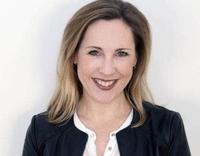
Professor Terryann Clark, University of Auckland
Imagine a future in Aotearoa where all rangatahi Māori thrived, where they lived safe, loving, optimistic lives - and had communities that held, valued and supported them in times of difficulty.
Sadly, this is not what many rangatahi Māori experience today. Suicide is the leading cause of death for those aged 15-24 in Aotearoa, and Māori are more likely to die by suicide than any other ethnic group.
This project is examining how we can deliberately create environments that support rangatahi to stay well, and systems that always respond with compassion and support when they are struggling.
How does integrated youth-focussed primary care improve youth mental health?
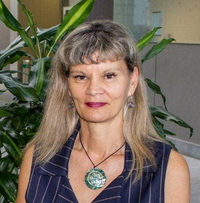
Associate Professor Kaaren Mathias, University of Canterbury
In Aotearoa New Zealand, about 21% of young people experience serious mental health problems, which is higher than the global average of 14%.
Māori and Pasifika youth face even higher rates of mental distress, and are also much more likely to attempt suicide than Pākehā youth. Research shows that young people with mental health or substance abuse issues prefer health services designed specifically for them, where both mental health and substance use are addressed together with health care for physical health needs.
These youth-focused services are more welcoming and effective than traditional care providers. However, while these providers are well used and can improve equity in health outcomes, the mechanisms that achieve this are not well understood. This research aims to understand how integrated youth services help address these issues.
Developing a child protection data monitoring system in Tonga
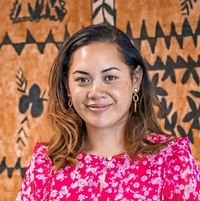
Dr Fiona Langridge, University of Auckland
The care and protection of children is a critical issue in the Pacific region. Some of the greatest challenges for child protection systems involve improving data systems across sectors.
The team involve in this project are based in Tonga, and New Zealand, and have developed a plan to address this challenging issue in Tonga with a collaborative and contextually responsive approach.
This data system, based on international best practice adapted specifically for Tonga, will be vital to measuring the effect of ongoing interventions to ensure care and protection for Tongan children.
9 Active Mental Health and Wellbeing projects
-
Dr R. SlykermanExamining mortality after brain injury: estimating the risk of suicideAwarded 129,897Mental Health and Wellbeing
-
Assoc Prof K. MathiasHow does integrated youth-focussed primary care improve youth mental health?Awarded $125,000Mental Health and Wellbeing
-
Dr S. FortuneAotearoa Self-harm Hospital Study: Sentinel surveillance of paediatric self-harm in New ZealandAwarded $107,759Mental Health and Wellbeing
-
Professor T. ClarkNgā piki me ngā heke: Evidence-based rangatahi mental health preventionAwarded 600,000Mental Health and Wellbeing
-
Dr T. Cargo, Associate Professor S. HetrickAdapting online tools to enable safe communication about self-harm and suicideAwarded $109,800Mental Health and Wellbeing
-
Dr S. Taufa, Dr F. LangridgeDeveloping a child protection data monitoring system in TongaAwarded $109,301Mental Health and Wellbeing
-
Dr T. Cargo, Dr N. LudinA sleep app to improve teenage mental healthAwarded $109,923Mental Health and Wellbeing
-
Professor B. GallandA new sleep initiative for improving teen mental health and wellbeingAwarded $109,249Mental Health and Wellbeing
-
Dr M. SharmaThis won't hurt a bit ... a pain-free approach to sedation for kidsAwarded $109,620Mental Health and Wellbeing





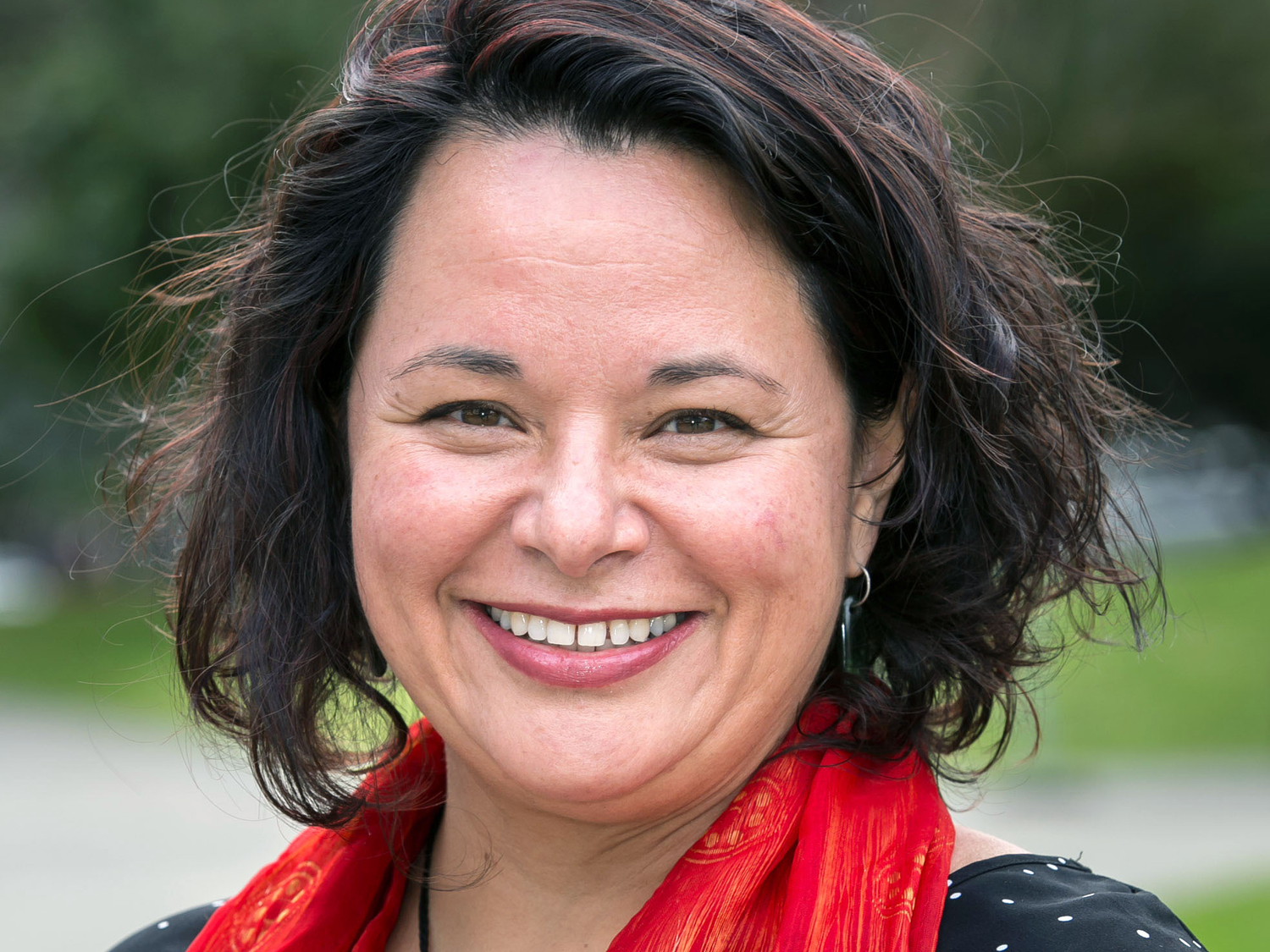
Help fund researchers like Terryann.
Every cent helps, no matter how small.
Big Research
We are currently supporting over $16 million of child health research projects.
Learn more
-
Preterm Health
4 Active projects$464.8K -
Childhood Cancers
2 Active projects$3.2M -
Maternal and Infant Conditions
8 Active projects$751.4K -
Rheumatic Heart Disease
6 Active projects$2.8M -
Childhood Development & Sensory Studies
1 Active project$228K -
Neurological and Neurodevelopmental Disorders
3 Active projects$749.2K -
Endocrinology, Metabolism & Nutrition
2 Active projects$125K -
Mental Health and Wellbeing
9 Active projects$1.2M -
Oral and Dental Disease
2 Active projects$151K -
Genetic Conditions and Rare Disorders
3 Active projects$801K -
Respiratory Conditions
5 Active projects$862.6K -
Infectious Disease
2 Active projects$219.7K -
Gastrointestinal Conditions
1 Active project$600K


