


Respiratory Conditions
Clearing the air

Why is it a problem?
Why is it a problem?
The basics…
Respiratory conditions affect the airways, including lungs and nasal passages. These conditions can be long-lasting (chronic) or shortterm (acute). Children with these conditions have difficulty breathing, and can experience wheezing, tightness of the chest, and a cough. Common respiratory conditions may involve either difficulty exhaling (e.g. asthma, bronchiectasis, or bronchitis) or difficulty inhaling air (e.g. sinusitis or hay fever).
The cause?
Research shows that common risk factors for respiratory conditions like asthma include:
- poverty
- mouldy, damp, or poorly heated homes
- crowded households
- unhealthy diets
- frequent or severe lower respiratory infections during childhood
- exposure to tobacco smoke and environmental air pollution
- and genetic factors.
The COVID effect
Hospitalisation rates for respiratory conditions in children halved in 2020 – due to the elimination of community transmission of viruses, especially influenza and RSV – through COVID control measures and corresponding changes in vaccination subsidies.
The numbers: respiratory illness in New Zealand…
Children in Aotearoa New Zealand have some of the highest rates of asthma in the world. The most recent (2022/23) NZ Health Survey (NZHS) shows that one in eight children aged 2–14 years (12.4%) and 15.5% of young people aged 15–24 years were using medication for diagnosed asthma.
Over the 5 years to the end of 2022, 42% of respiratory hospitalisations in children aged 0-19 years were for lower respiratory tract infections (including pneumonia and acute bronchiolitis).
Upper respiratory tract infections (colds, tonsillitis, laryngitis etc) made up about 29% of respiratory hospitalisations, and 27% were for asthma or wheeze.
Did you know?
Respiratory disease costs New Zealand $8.4 billion every year.
What are we doing to help?
Here is a snapshot of some of the latest respiratory research that we are funding, to hopefully reduce the fact that respiratory conditions are the leading cause of acute admissions (i.e. brief, but serious) to hospital for children in Aotearoa New Zealand.
Helping prevent hospitalisation for wheeze
Professor Cameron Grant, University of Auckland
Professor Cameron Grant’s study is investigating whether OM-85 — a medicine that stimulates immune responses associated with defence against viral infections — could reduce recurrent respiratory tract infections and prevent wheeze in young children.
Healthcare access equity in childhood asthma in Aotearoa
Dr Emily Perelini, University of Otago
Māori and Pasifika children in Aotearoa experience higher rates of hospitalisation for asthma, however, they are less likely to receive the recommended preventive treatment (with inhaled corticosteroids or ICS).
This study aims to understand the extent of this inequity, identify barriers and enablers to appropriate care, and test a nurse-led telehealth initiative to improve access to both ICS and asthma education for children who have recently had a bad asthma attack.
Through national data analysis, qualitative feedback from whānau, and a targeted pilot in South Auckland, the project aims to reduce healthcare access barriers and ensure asthma management aligns with evidence-based guidelines. The ultimate goal is to provide better healthcare services for these communities with high needs.
Trialling shorter treatments for preschool children with asthma (STAR study)
Dr Alexandra Wallace, University of Auckland
Asthma is the most common illness of childhood, and our rates are particularly high. Children younger than 5-years-old have the highest burden of disease.
Preschool wheeze is often treated similarly to asthma in older children, with 3 days of oral steroids for moderate or severe episodes. Māori and Pasifika children have wheeze more often than other children, and are three times more likely to require hospitalisation. Some preschoolers experience recurrent wheeze and receive several courses of steroids every year.
This study was underpinned by recent evidence suggesting that preschool children with wheeze might only need 1 day of steroid medication. The researchers will compare outcomes after treatment for 1 or 3 days. If the study proves that the shorter course is safe and effective, the guidelines will be changed, to simplify treatment, and reduce the risks of side-effects.
Treating respiratory viral infections
Professor Stuart Dalzell, University of Auckland
Professor Stuart Dalziel, Cure Kids’ Chair of Child Health Research, from Starship Children’s Hospital is undertaking a project to assess the effectiveness of using a combination of adrenaline and steroids to treat children with bronchiolitis – the most common reason for New Zealand infants to be admitted to hospital.

Grace and Amelia were diagnosed with a rare condition called Twin to Twin Transfusion Syndrome at 20 weeks gestation. They received lifesaving laser surgery in utero and were monitored very closely by the Auckland Maternal Fetal Medicine Team.
Grace developed hydrops after that surgery and went into heart failure. Her parents were told she would have to get to 32 weeks gestation for the doctors to be able to help her heart. The twins arrived very early at 27 weeks and 1 day. Grace a very swollen 1300g and Amelia a tiny 880g.
The twins had a rough time in NICU with infections and blood transfusions. Grace had her first open heart bypass surgery at 8 weeks of age when she finally hit 2kg. She has severe right ventricle dysfunction, dysplastic tricuspid valve and pulmonary valve, muscular ventricular septal defect and during her heart surgery they had to put a hole in her atrium to help her pulmonary valve work more effectively which was closed in 2022 resulting in her finally being off home oxygen therapy. Both girls have extreme chronic lung disease from being born so early which can make winters a little rough.
Grace also has cerebral palsy and global developmental delays. She works closely with a physical therapist, occupational therapist, speech language therapist, dietician, hippo therapy (riding for the disabled) and does lots of home therapy to work on decreasing the spasticity and building strength, coordination and balance.
The girls have managed a few days a week at kindergarten since turning 4 and will be off to school with their big brother watching over them; and attend dance class (with the help of Mum) - they both loved performing on stage for the end of year recital.
5 Active Respiratory Conditions projects
-
Dr E. PereliniHealthcare access equity in childhood asthma in Aotearoa.Awarded $299,844Respiratory Conditions
-
Professor S. DalzielBetter management of mild asthma in childrenAwarded $236,931Respiratory Conditions
-
Dr A. WallaceTrialing shorter treatments for preschool children with asthma (STAR study)Awarded $109,655Respiratory Conditions
-
Professor S. DalzielPrevention of admission for bronchiolitisAwarded $106,256Respiratory Conditions
-
Professor P. Vuillermin, Professor C. GrantPrevention of wheeze-associated hospitalisation in pre-schoolersAwarded $110,000Respiratory Conditions





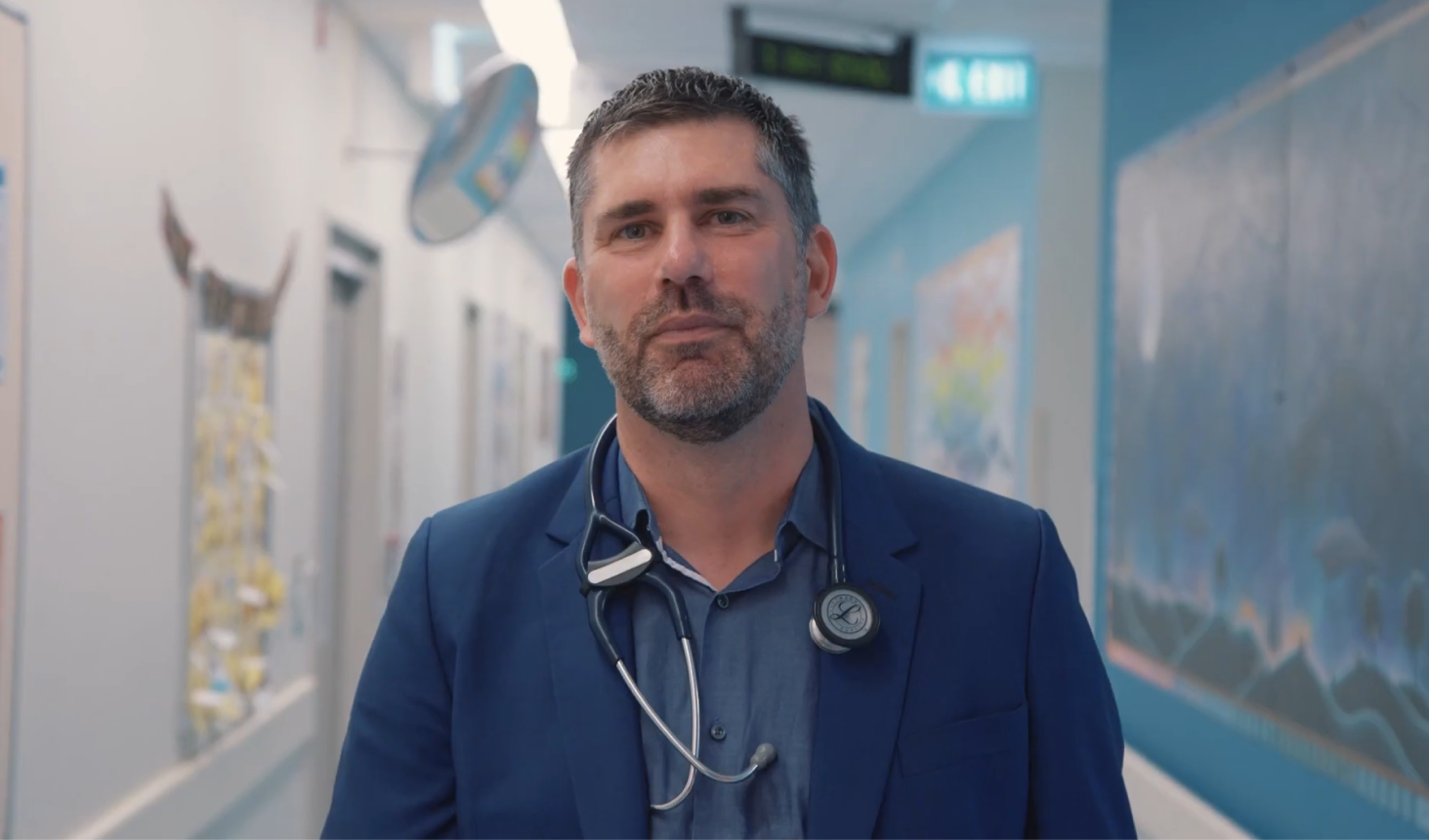
Help fund researchers like Stuart.
Every cent helps, no matter how small.
Big Research
We are currently supporting over $16 million of child health research projects.
Learn more
-
Preterm Health
4 Active projects$464.8K -
Childhood Cancers
2 Active projects$3.2M -
Maternal and Infant Conditions
8 Active projects$751.4K -
Rheumatic Heart Disease
6 Active projects$2.8M -
Childhood Development & Sensory Studies
1 Active project$228K -
Neurological and Neurodevelopmental Disorders
3 Active projects$749.2K -
Endocrinology, Metabolism & Nutrition
2 Active projects$125K -
Mental Health and Wellbeing
9 Active projects$1.2M -
Oral and Dental Disease
2 Active projects$151K -
Genetic Conditions and Rare Disorders
3 Active projects$801K -
Respiratory Conditions
5 Active projects$862.6K -
Infectious Disease
2 Active projects$219.7K -
Gastrointestinal Conditions
1 Active project$600K


