


Childhood Development and Learning Difficulties
There's so much to learn about how young Kiwis learn

Why is it a problem?
Why is it a problem?
First things first: what is childhood development?
Childhood development is simply the process by which a child changes over time. In broad terms, it can cover the time between conception and an individual becoming a fully functioning adult. Another way to describe this process is the change from total dependence to full independence.
What are the main areas of childhood development?
Although there are many differences in definition and terminology, it is generally accepted that childhood development includes:
• basic motor skills, e.g. crawling, jumping or running
• fine (more complicated) motor skills, e.g. writing and drawing
• speech and language
• cognitive and intellectual skills, e.g. counting or identifying shapes
• social and emotional skills, e.g. playing with other children.
So what is ‘normal’ vs ‘delayed’ development’?
Because most children reach specific developmental milestones at around similar ages, this is often called ‘normal development’. It doesn’t mean all children will reach the main areas of development at exactly the same age. A child whose skills and abilities in one or more areas are delayed compared with other children of the same age can be experiencing ‘delayed development’
Why is early intervention so important?
Recognising developmental delays early in a child’s life can provide the opportunities and support to develop new skills. The quality of nurturing and support provided in the early years can influence their:
• ability to learn
• behaviour
• ability to control emotions
• risks for disease later in life.
Did you know?
The first 5 years of a child’s life are a critically important time in brain development.
WHAT ARE WE DOING TO HELP?
Refractive error in New Zealand children
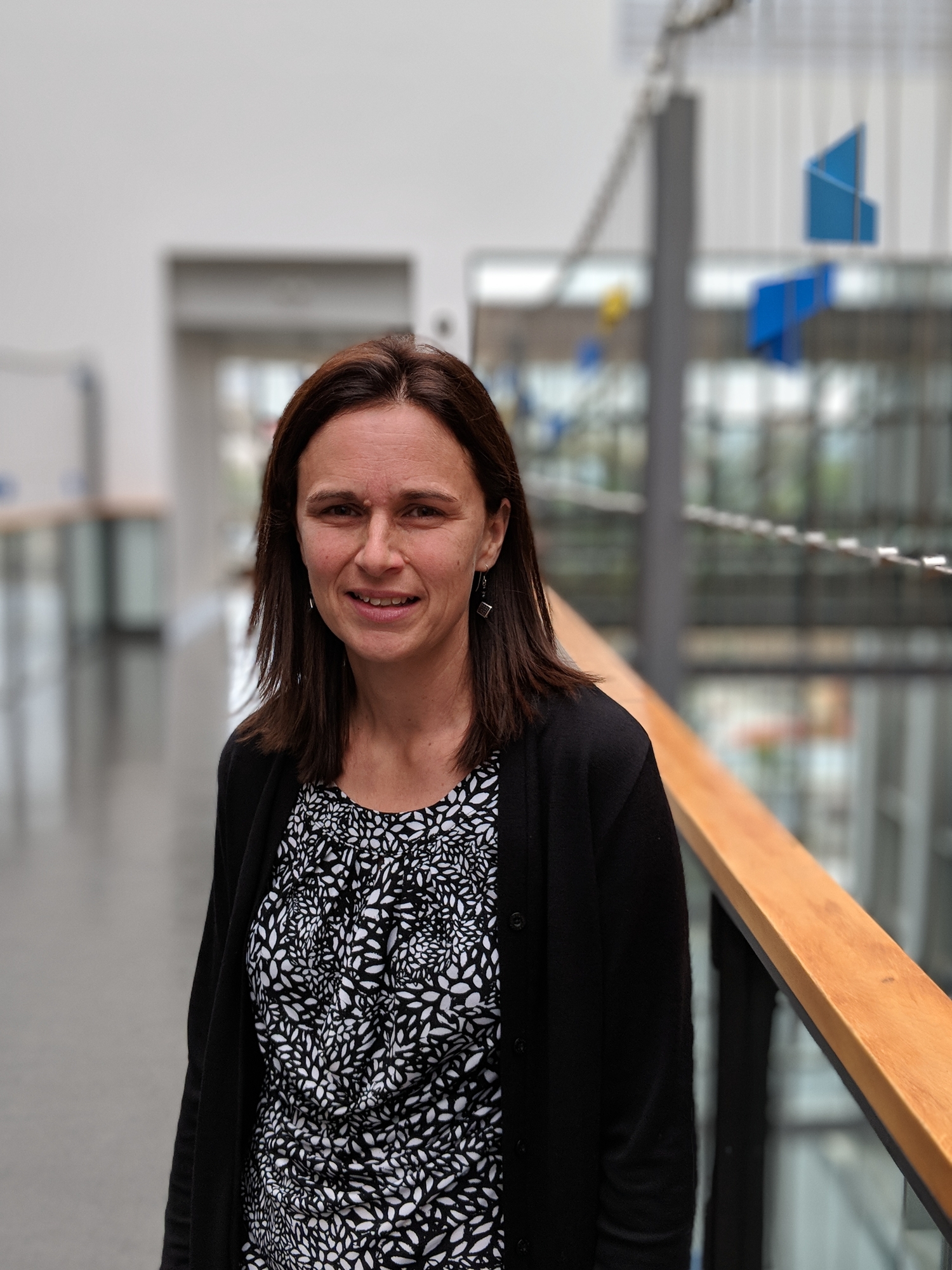
Dr Rebecca Findlay, University of Auckland
Children who have problems with their eyesight such as refractive error need glasses, to participate fully in the classroom and achieve academically. But because current screening programmes do not detect all children with refractive error, many children with vision problems start school without glasses.
Dr Rebecca Findlay aims to test 7-year-old children for refractive error, as a first step to understanding the size of this issue. And the results should inform large-scale programmes to provide vision screening and eye care to detect and treat refractive error, and set children up for success at school.
1 Active Childhood Development and Learning Difficulties project
Help fund researchers like Rebecca.
Every cent helps, no matter how small.
Big Research
We are currently supporting over $16 million of child health research projects.
Learn more
-
Preterm Health
4 Active projects$464.8K -
Childhood Cancers
2 Active projects$3.2M -
Maternal and Infant Conditions
8 Active projects$751.4K -
Rheumatic Heart Disease
6 Active projects$2.8M -
Childhood Development and Learning Difficulties
1 Active project$228K -
Neurological and Neurodevelopmental Disorders
3 Active projects$749.2K -
Endocrinology, Metabolism & Nutrition
2 Active projects$125K -
Mental Health and Wellbeing
9 Active projects$1.2M -
Oral and Dental Disease
2 Active projects$151K -
Genetic Conditions and Rare Disorders
3 Active projects$801K -
Respiratory Conditions
5 Active projects$862.6K -
Infectious Disease
2 Active projects$219.7K -
Gastrointestinal Conditions
1 Active project$600K


