


Maternal and Infant Conditions
Seeking the best start for the beginning of life

Why is it a problem?
Why is it a problem?
Stillbirth and fetal growth restriction in New Zealand
In New Zealand, around 3000 pregnancies are affected by fetal growth restriction each year. Pregnancies with fetal growth restriction have a high risk of ending in stillbirth (the loss of the unborn baby after 20 weeks of pregnancy or during birth).
Babies who survive fetal growth restriction have an increased risk of neurodevelopmental delay – which is a delay in developing skills necessary to achieve developmental ‘milestones’, such as walking or talking. These babies also have an increased risk of developing cardiovascular diseases and metabolic diseases later in life. But researchers are working on solutions.
By the numbers — Cure Kids researchers helping reduce infant mortality
Supported by Cure Kids, Dr Christine McIntosh and her University of Auckland research team, developed the ‘Safe Sleep Calculator’.
The calculator allows healthcare staff to give individually tailored advice to protect against deaths in babies, and to target help to the 19% of babies at the highest risk from SUDI (sudden unexpected death in infants).
The advice and support given to parents and whanau includes breastfeeding advice, sleeping advice for the baby, and support on how to reduce exposure to smoking, drugs, and alcohol.
And the impact? On average, one infant death will be prevented for every 310 families given this personalised and intensive support — an amazing intervention.
Preventing SUDI (sudden unexpected death in infancy)
• Family/whanau support
• A smoke free, and alcohol and drug free home
• Being born full term
• A healthy birthweight
• Breastfed
• Immunised
• Gentle handling
• Baby has own space (own bed) free from pillows/toys/extra blankets
• Baby sleeping flat on their back, face clear
• Wool blankets and cotton sheets
Did you know?
Each year, in New Zealand 3000 pregnancies are affected by fetal growth restriction
WHAT ARE WE DOING TO HELP?
Vaping during pregnancy and SUDI risk: New Zealand case-cohort study
Ms Glenda Oben, Professor Barry Taylor – University of Otago
This project aims to understand whether nicotine exposure during pregnancy increases the risk of SUDI, which disproportionately occurs among Māori whānau. Using data from around 170,000 infants, the findings will help shape prevention efforts and support safer pregnancy choices for whānau across Aotearoa.
NEOLEV3: high dose levetiracetam in NZ neonates with seizures
Dr Cynthia Sharpe – Starship Hospital
Around 200 babies in Aotearoa are affected by neonatal seizures each year, with up to 60% of survivors facing long term challenges like cerebral palsy, epilepsy, or developmental delays. This study is testing higher doses of a treatment to improve seizure control while reducing harmful side effects, helping more babies access safer care and supporting better lifelong outcomes.
C*STEROID – Safely improving outcomes after planned caesarean section birth
Professor Katie Groom – University of Auckland
The C*STEROID Trial is a world leading study exploring whether giving corticosteroids before planned caesarean births can improve newborn and childhood health. More than one in ten babies in Aotearoa are born this way, which can increase the risk of breathing problems and neonatal unit admission. This research will provide the first high quality evidence to guide safer clinical practice in Aotearoa and around the world.
Understanding wahakura and Pēpi-Pod usage to prevent SUDI deaths
Dr Charmaine Barber (Ngāti Kahungunu ki Te Wairoa), Professor Barry Taylor – University of Otago
Every year, 40–60 babies in Aotearoa die from SUDI, with Māori pēpi disproportionately affected. Wahakura and Pēpi Pods are culturally appropriate, life saving in bed sleep spaces proven to be as safe as bassinets, yet many whānau stop using them during the highest risk months. By working alongside over 300 whānau to understand barriers and support consistent use, this research aims to save lives and address one of Aotearoa’s most serious health inequities.
Reducing brain injury in babies
Dr Guido Wassink, University of Auckland
When the blood flow that carries oxygen and nutrients to a baby is severely restricted during birth, there is a significant risk of death — or survival, but with a major disability. Known as perinatal “hypoxic-ischemic encephalopathy”, or HIE, this is one of the most serious and life-threatening types of infant brain damage that can occur during childbirth.
Currently, the only treatment for babies born with this condition involves cooling of the baby’s brain or body (called therapeutic hypothermia) — but this doesn’t fully protect every baby (most babies, just not enough). So a team of Auckland researchers are testing a growth hormone to see if it can further improve the recovery of a newborn’s brain after this treatment.
‘Sleep on side’ advice during pregnancy – a successful campaign to reduce still birth
Professor Lesley McGowan, University of Auckland
We have supported a programme of research which has provided the evidence for the ‘Sleep on Side – Stillbirth Prevention Campaign’ since 2007, enabling New Zealand researchers to lead the way with these internationally significant findings.
Recent results from a survey of pregnant women in the 3rd trimester showed that 86% of women had received sleep-on-side advice. Also, women sleeping on their back was reduced from 3.9% in the previous nationwide study to 1.8% (i.e. two thirds of women who were supine sleeping changed to sleep on their side based on the advice).
The survey of healthcare professionals found that 77% were aware of the risk associated with a sleeping-on-their-back position and late stillbirth. A great result.
8 Active Maternal and Infant Conditions projects
-
Dr C. Barber, Professor B. TaylorUnderstanding wahakura and Pēpi-Pod usage to prevent SUDI deathsAwarded 129,919Maternal and Infant Conditions
-
Prof K. GroomC*STEROID – Safely improving outcomes after planned caesarean section birthAwarded 129,606Maternal and Infant Conditions
-
Dr C. SharpeNEOLEV3: high dose levetiracetam in NZ neonates with seizuresAwarded 130,000Maternal and Infant Conditions
-
Ms G. Oben, Professor B. TaylorVaping during pregnancy and SUDI risk: New Zealand case-cohort studyAwarded 129,961Maternal and Infant Conditions
-
Dr G. WassinkAre neuroprotective sedatives during therapeutic hypothermia beneficial?Awarded $125,000Maternal and Infant Conditions
-
Dr C. McIntoshReduce SUDI and improve maternal and child health through smart Digital TechnologyAwarded 298,081Maternal and Infant Conditions
-
Associate Professor J. ThompsonUnderstanding reduced fetal movements in late pregnancy to reduce the risk of stillbirthAwarded $124,771Maternal and Infant Conditions
-
Dr M. MuelbertInvestigating the impact of antenatal steroids on infant wellbeing and lactationAwarded $93,637Maternal and Infant Conditions
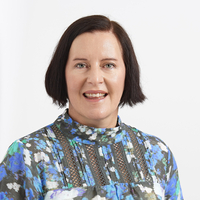
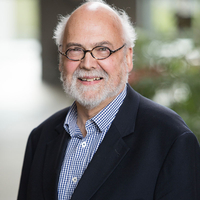
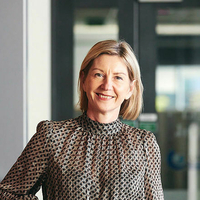
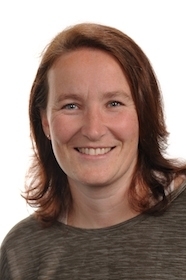
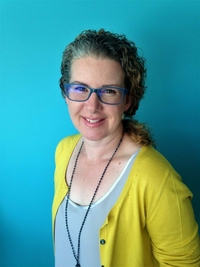

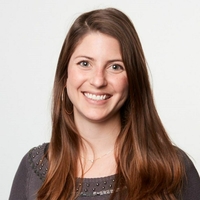
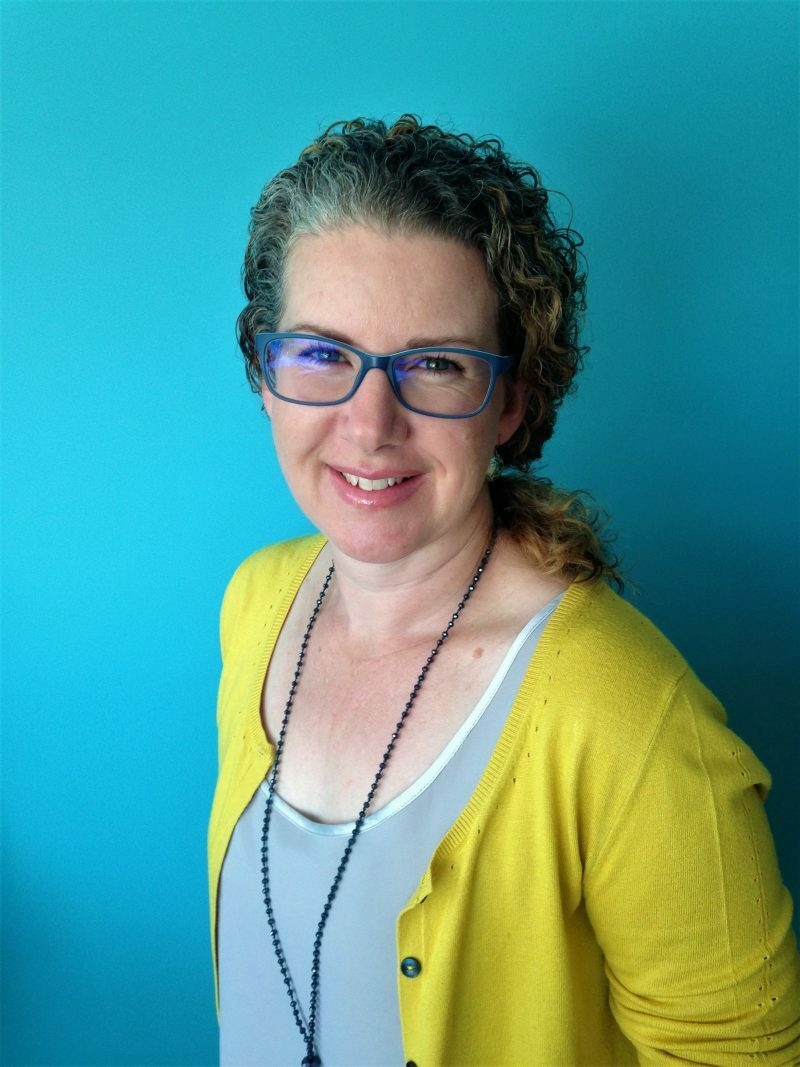
Help fund researchers like Christine.
Every cent helps, no matter how small.
Big Research
We are currently supporting over $16 million of child health research projects.
Learn more
-
Preterm Health
4 Active projects$464.8K -
Childhood Cancers
2 Active projects$3.2M -
Maternal and Infant Conditions
8 Active projects$751.4K -
Rheumatic Heart Disease
6 Active projects$2.8M -
Childhood Development & Sensory Studies
1 Active project$228K -
Neurological and Neurodevelopmental Disorders
3 Active projects$749.2K -
Endocrinology, Metabolism & Nutrition
2 Active projects$125K -
Mental Health and Wellbeing
9 Active projects$1.2M -
Oral and Dental Disease
2 Active projects$151K -
Genetic Conditions and Rare Disorders
3 Active projects$801K -
Respiratory Conditions
5 Active projects$862.6K -
Infectious Disease
2 Active projects$219.7K -
Gastrointestinal Conditions
1 Active project$600K


